Loading
Practice library
Every practice Manomithra can draw on, with the type, difficulty, category, focus and goals each one is filed under. The library is being assembled; what is published here has been written and reviewed.
What the library is built to hold
These are the counts the library is being assembled to. They are not a count of what is published here.
274 practices
Sheetkari
Hissing Cooling Breath — a breathing practice for a beginner student. Its focus is relaxation.
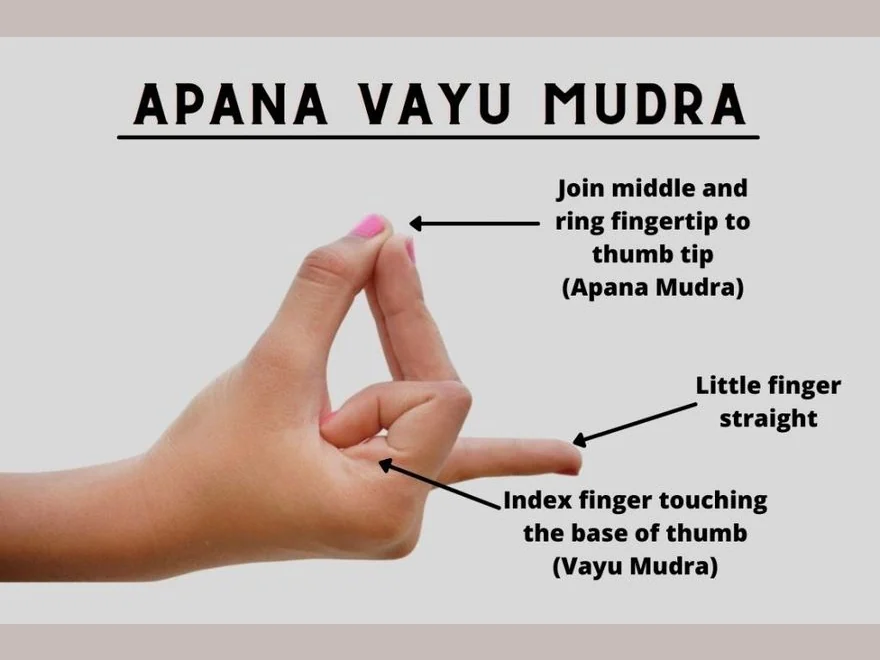
Hridaya Mudra
Quiet breathing and reflection Best used evening / meditation.
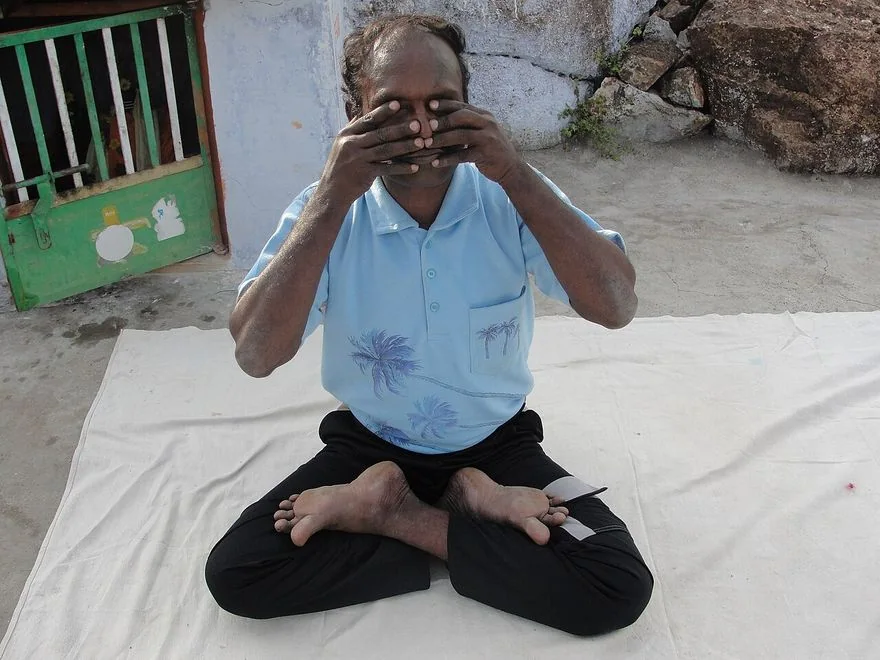
Bhramari
Humming Bee Breath — a breathing practice for a beginner student. Its focus is relaxation.
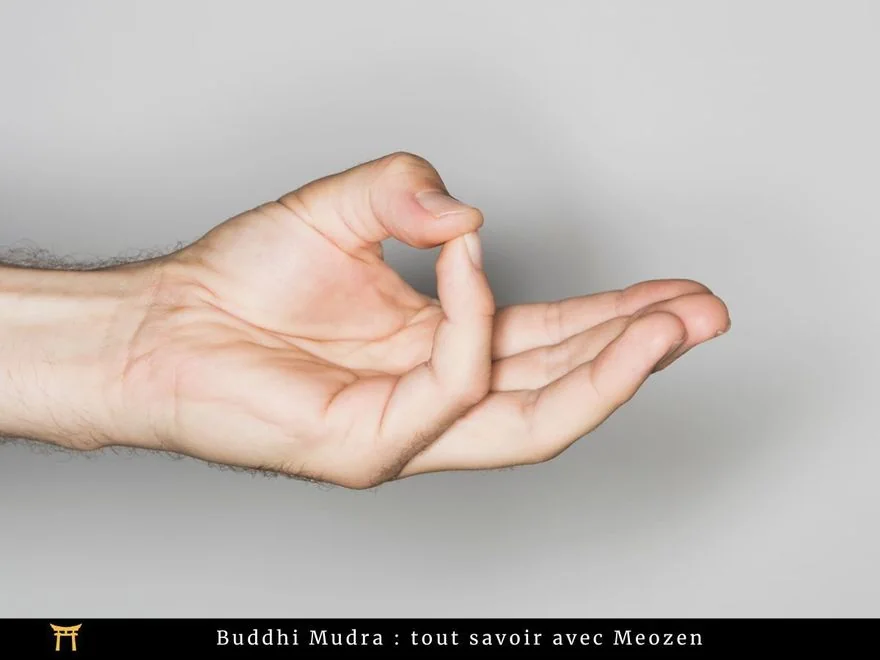
Buddhi Mudra
Intellect Gesture — a meditation practice for a beginner student. Its focus is focus.
Antar Kumbhaka
Internal Breath Retention — a breathing practice for a intermediate student. Its focus is breath control.
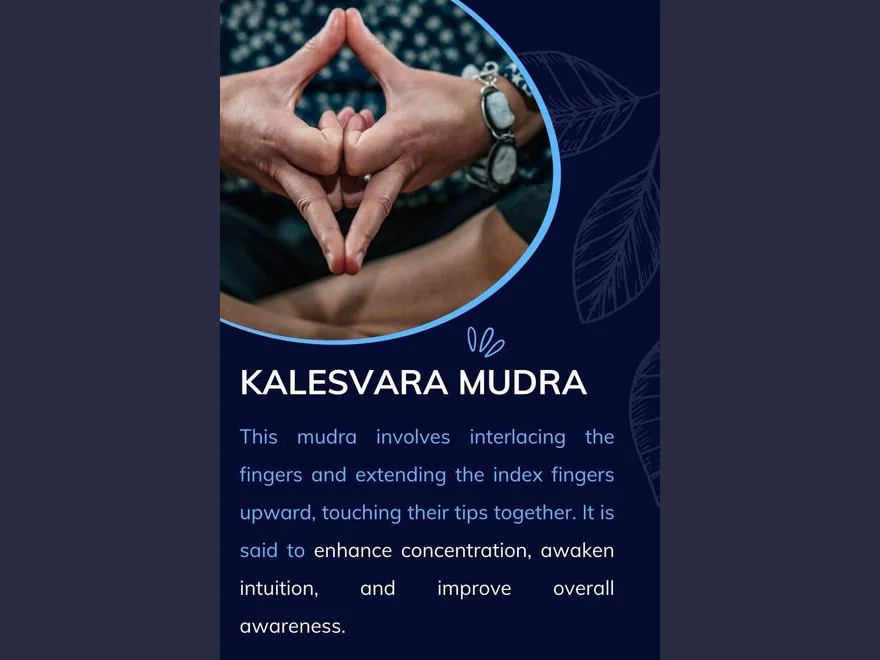
Kalesvara Mudra
Slow breathing and reflection Best used stressful study periods.
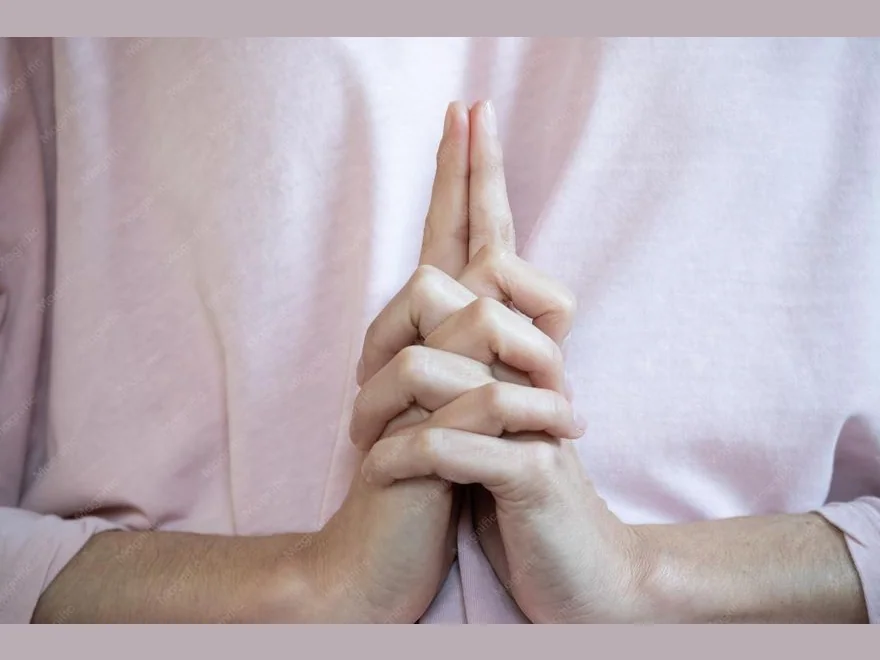
Kali Mudra
Kali Gesture — a meditation practice for a beginner student. Its focus is confidence.
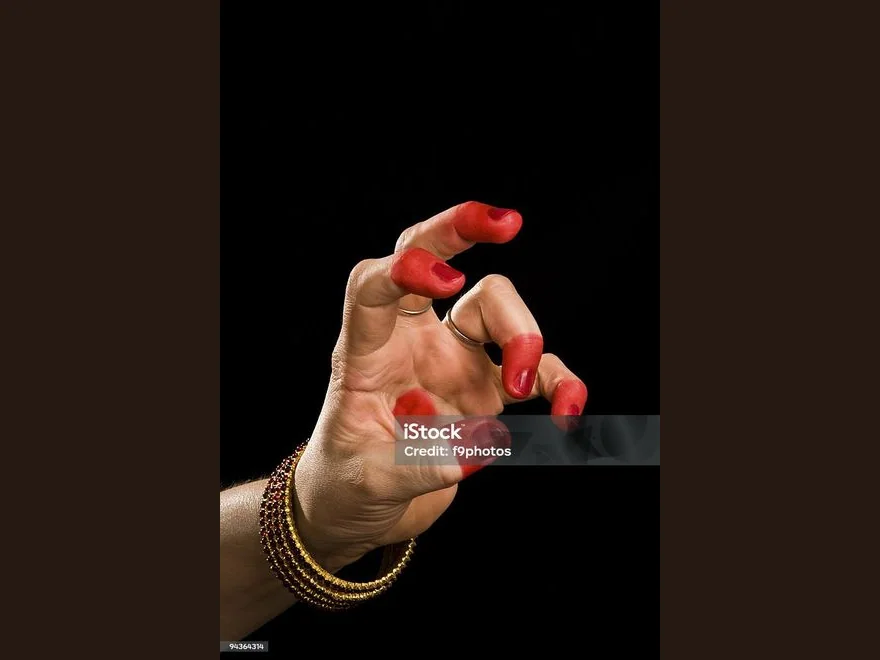
Kangula
Kangula — a classical dance hasta practice for a beginner student. Its focus is dance expression.
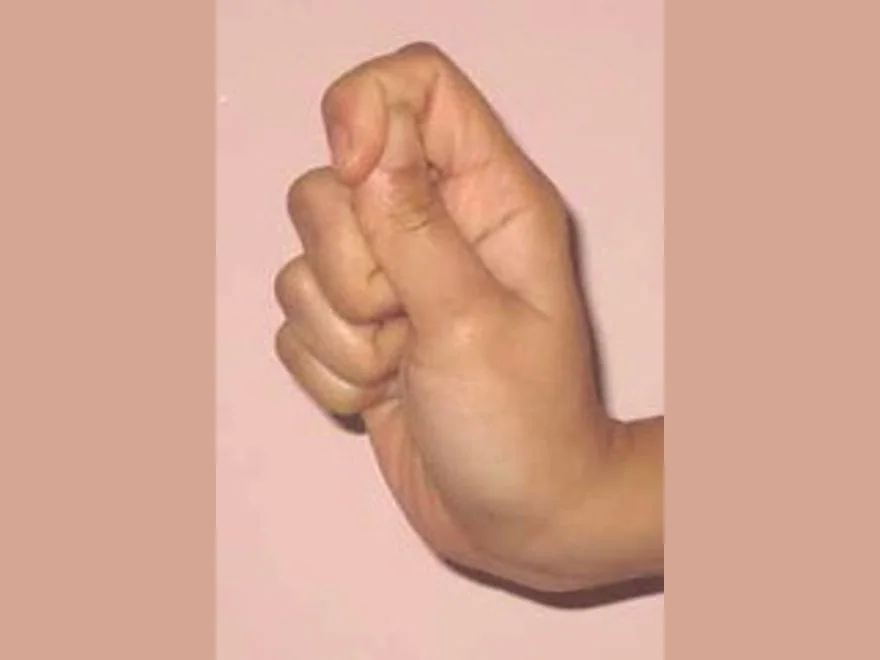
Kapittha
Kapittha — a classical dance hasta practice for a beginner student. Its focus is dance expression.
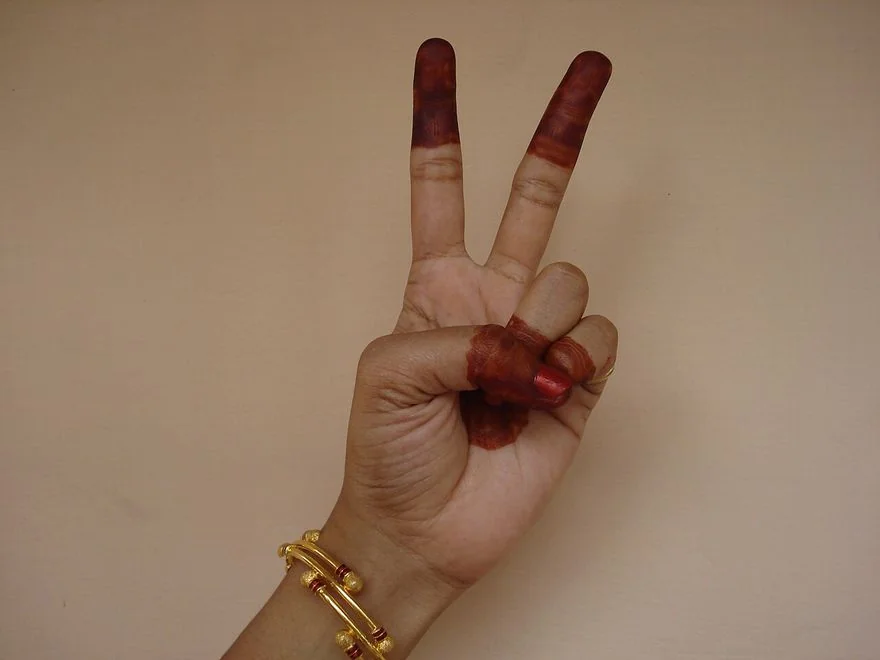
Kartarimukha
Kartarimukha — a classical dance hasta practice for a beginner student. Its focus is dance expression.
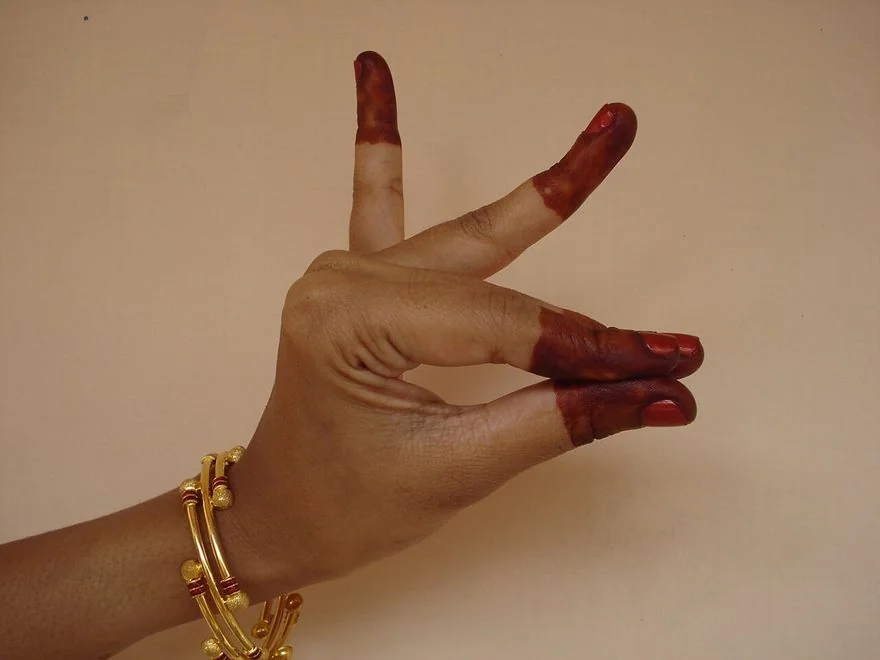
Katakamukha
Katakamukha — a classical dance hasta practice for a beginner student. Its focus is dance expression.
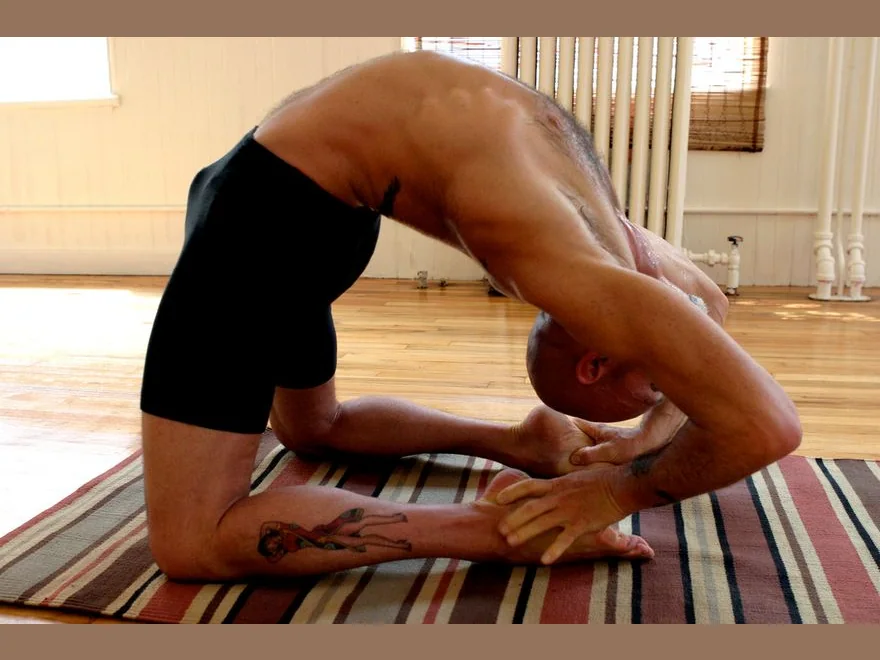
Kapotasana
King Pigeon — a advanced backbend practice for a advanced student. Its focus is hip mobility.
How the library is organised
Every practice is filed under a type, a difficulty, a category, a focus and a set of goals. Categories describe what a practice is mechanically; goals describe why someone might reach for it.
Next
Surya Namaskar and Chandra Namaskar are set out position by position, with the traditions that count them differently noted rather than smoothed over.
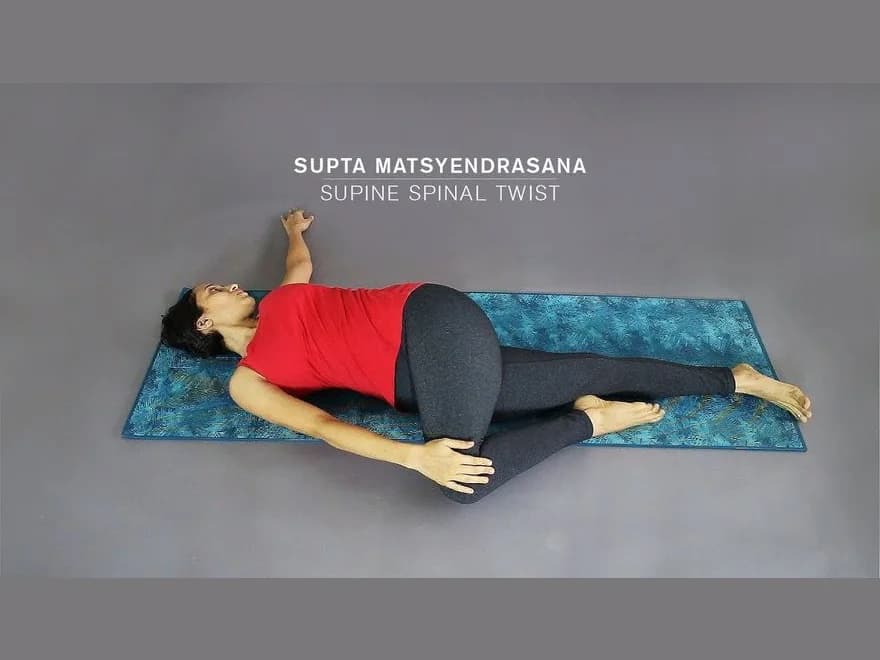
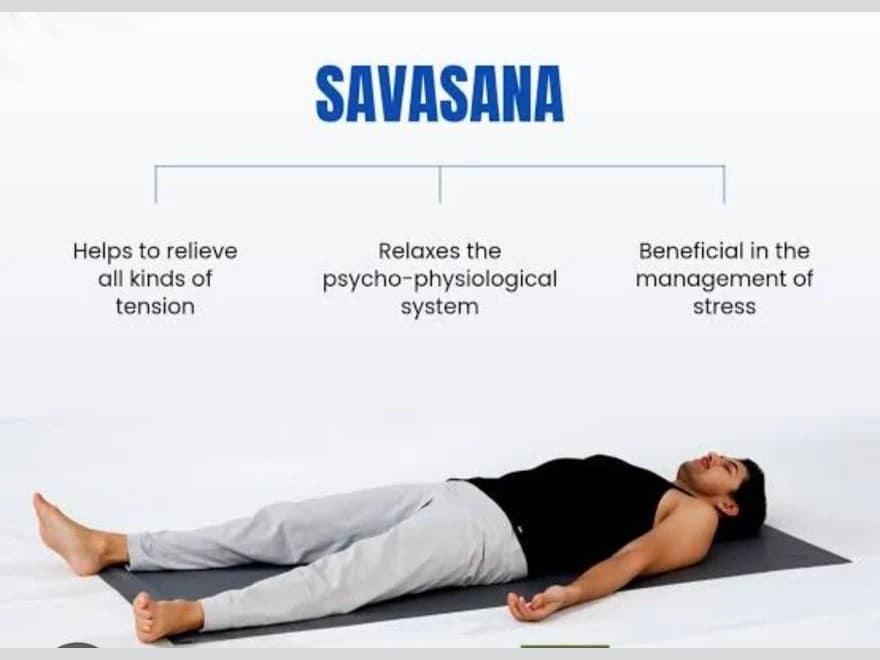
Practices performed lying on the back.
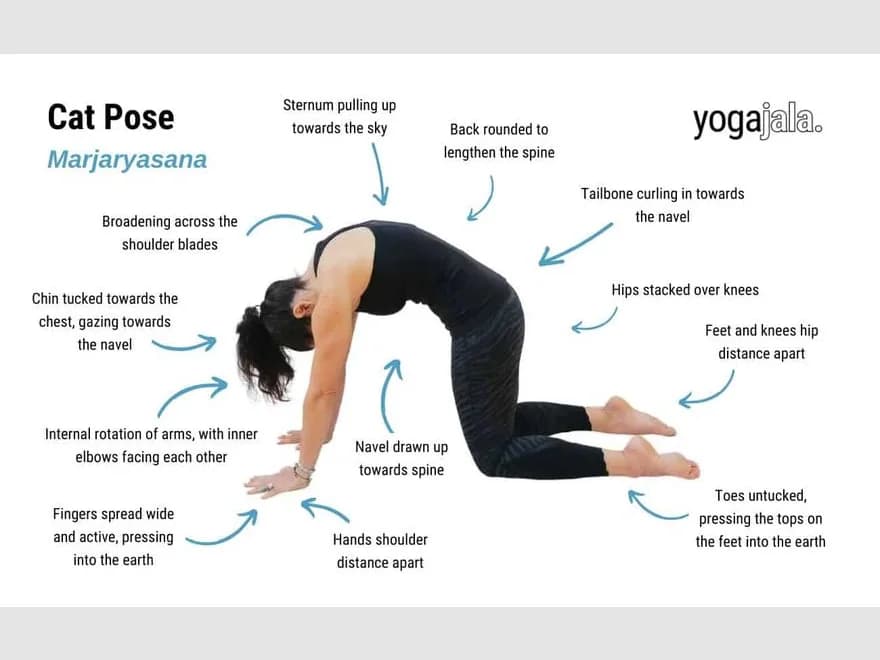
Practices on hands and knees, or hands and forearms, used as a base and as a shape in its own right.
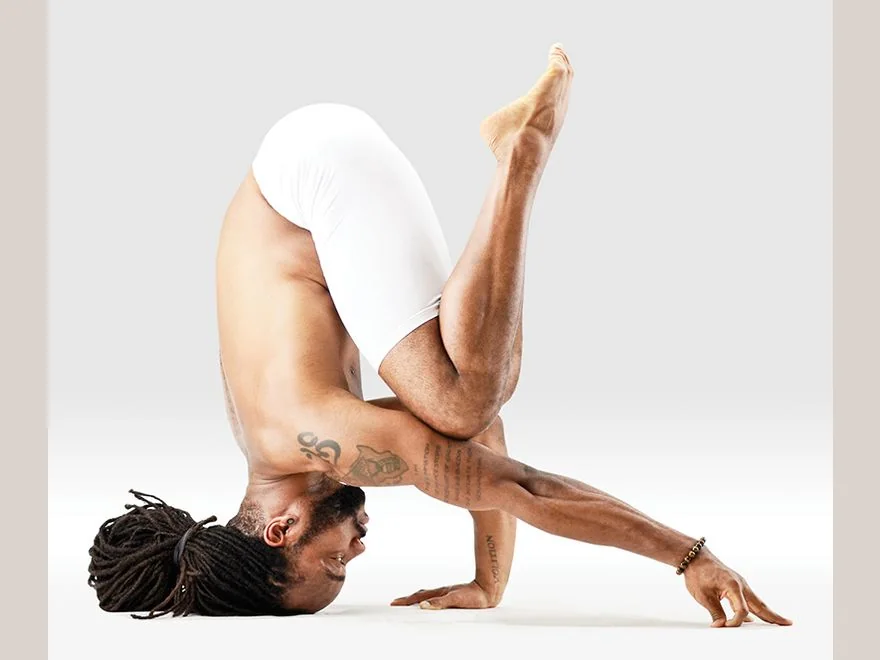
Preparatory practices for inversion work: shoulder setting, neck length, bandha awareness and safe entry mechanics.
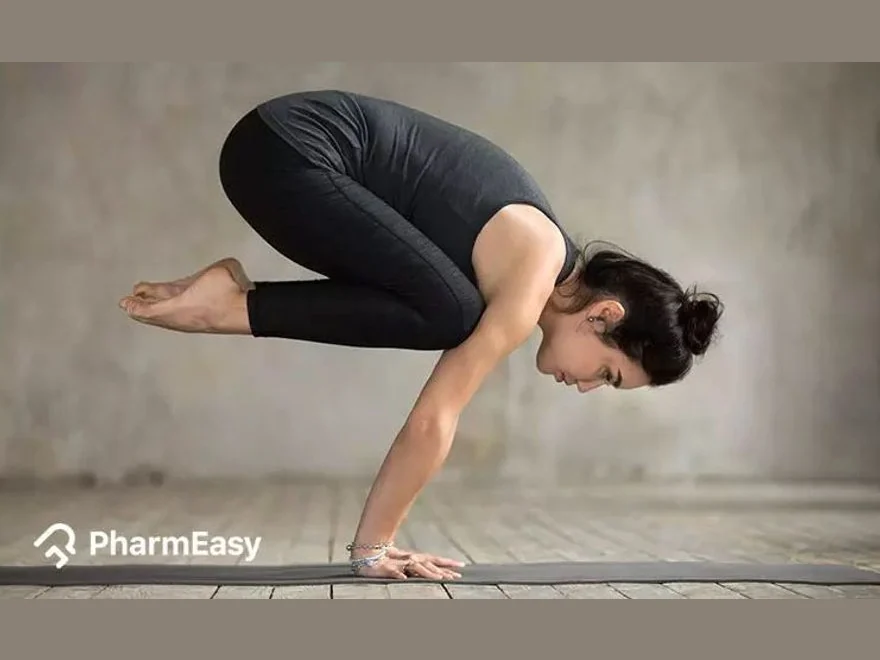
Practices that balance on the hands or forearms with the feet lifted or light.
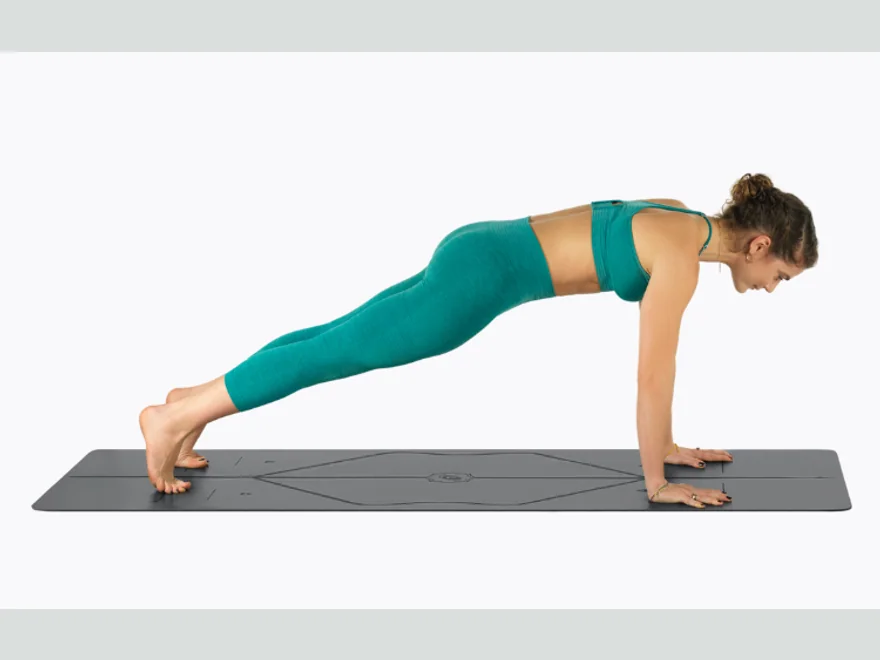
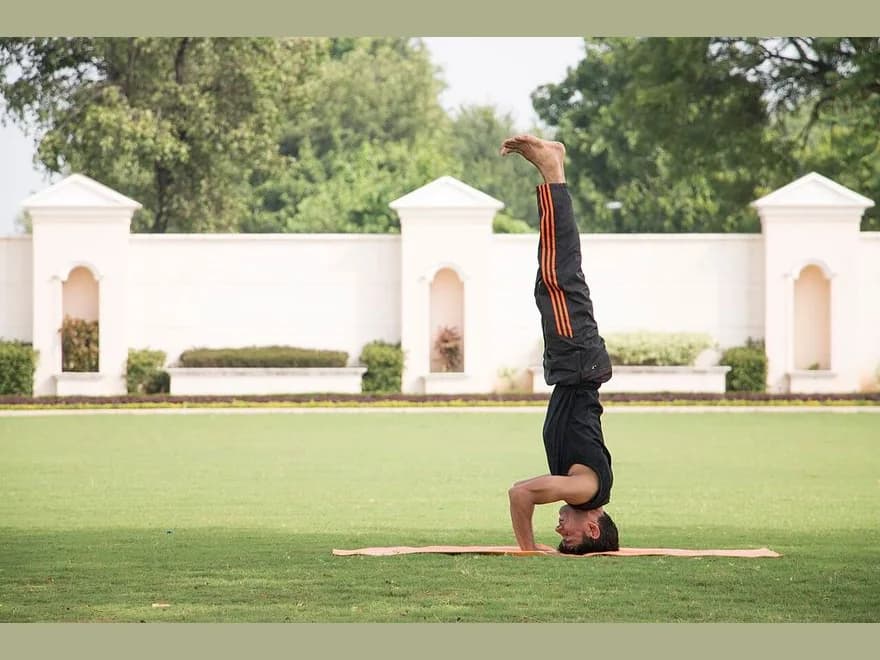
Practices that take body weight through the arms, in an inverted or supported position.
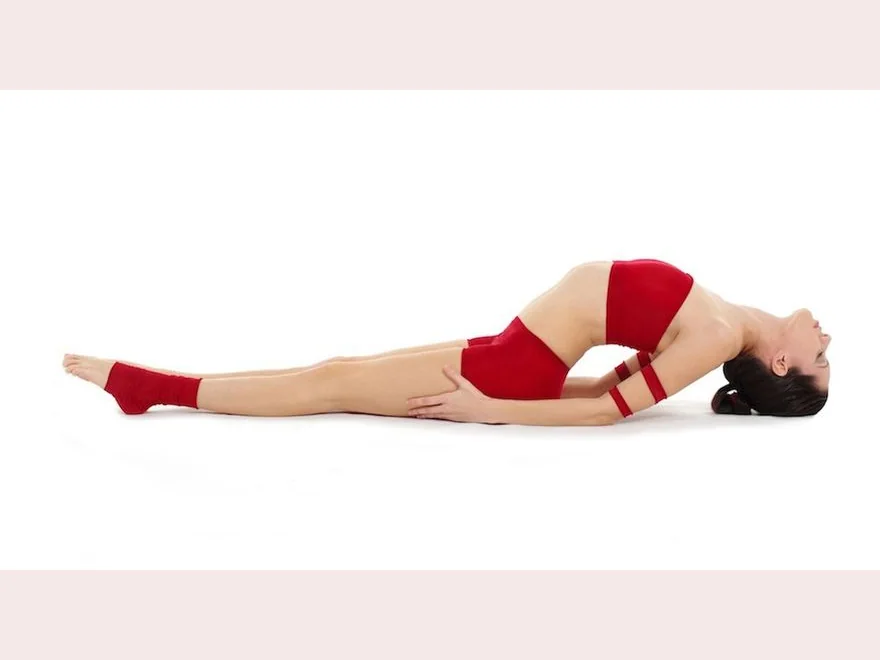
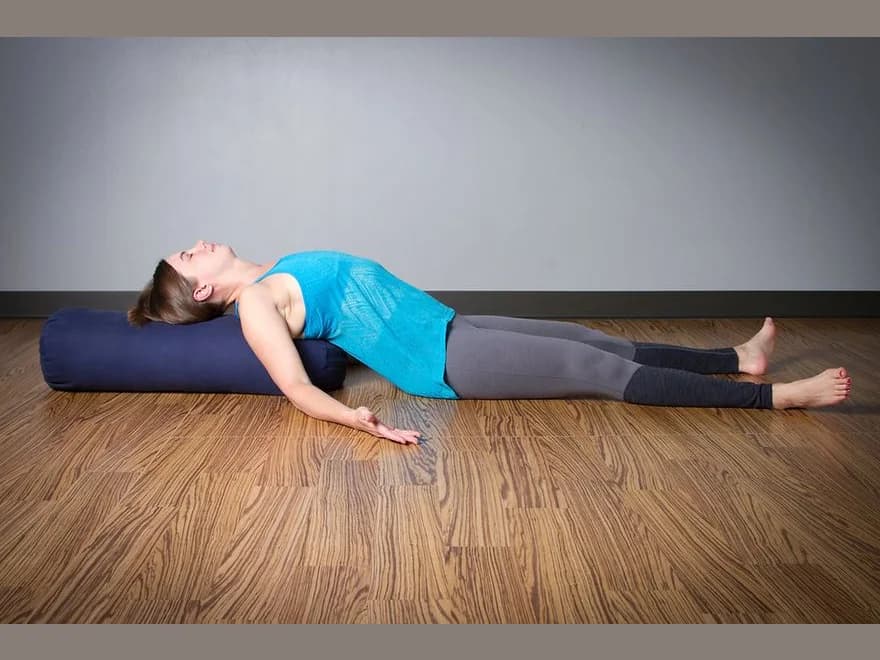
Supported backbends held for longer with props or bolsters rather than muscle effort.
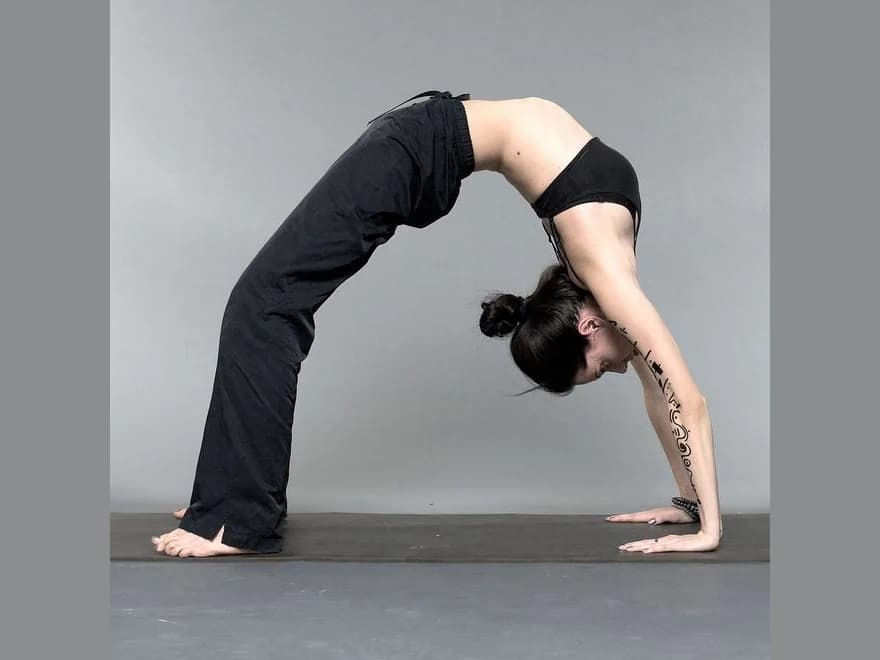
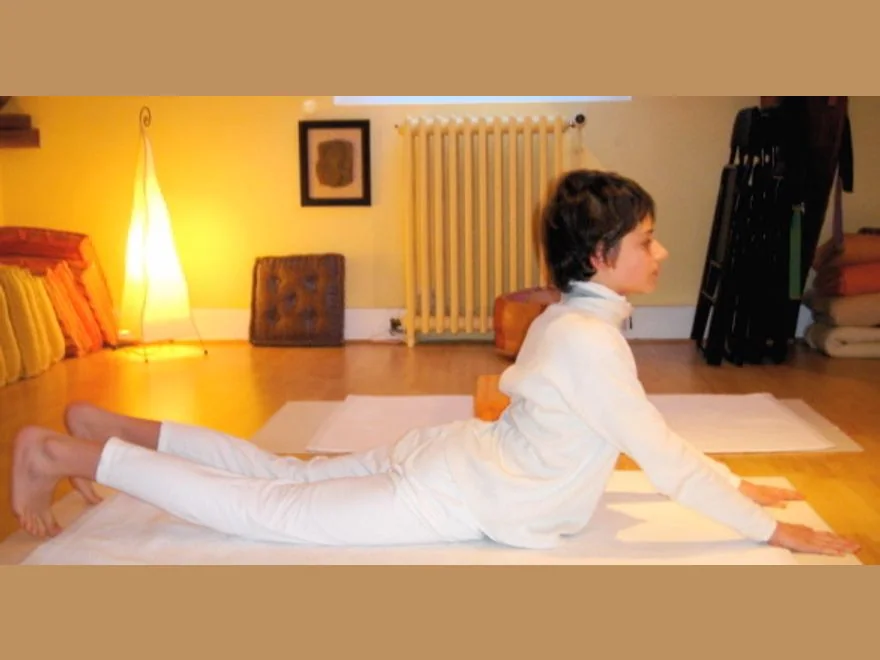
Backbends that need substantial spinal extension, shoulder opening and control. Not a first practice for anyone.
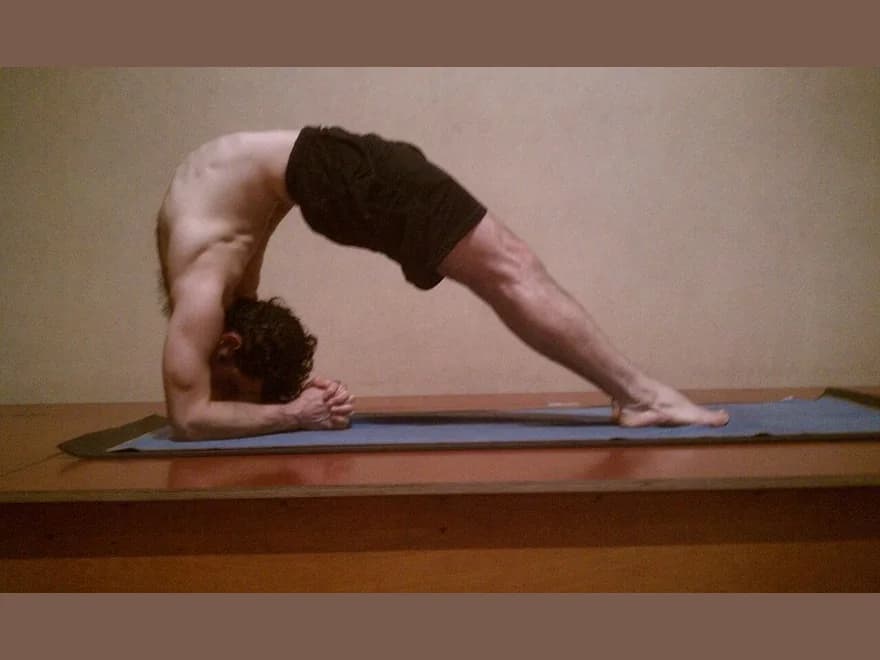
Practices that combine an inverted base with spinal extension. The two demands have to be introduced separately first.
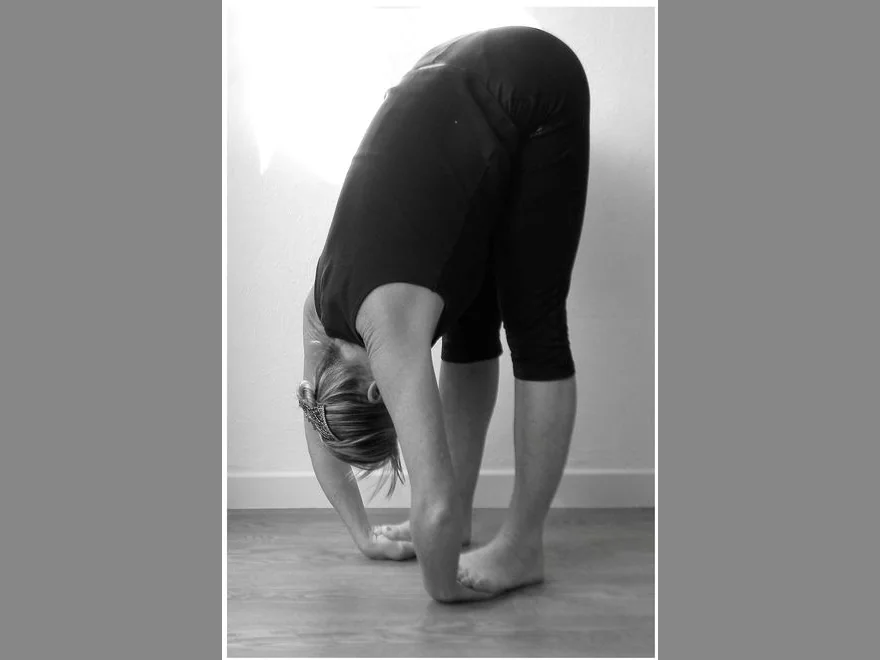
Practices that hinge forward from standing, usually with the hands to the floor, the shins or a block.
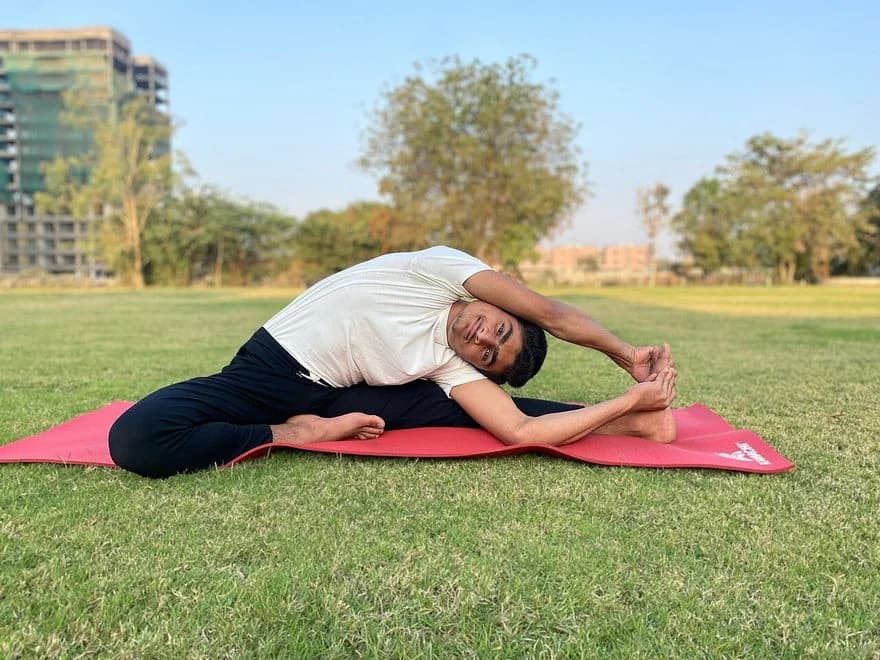
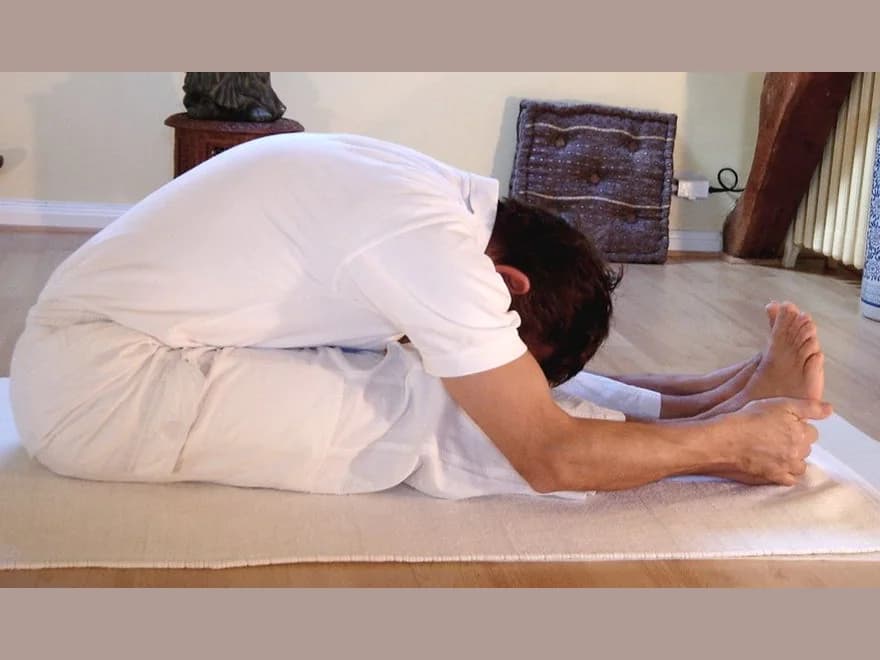
Practices that hinge the torso forward over straight or folded legs while seated.
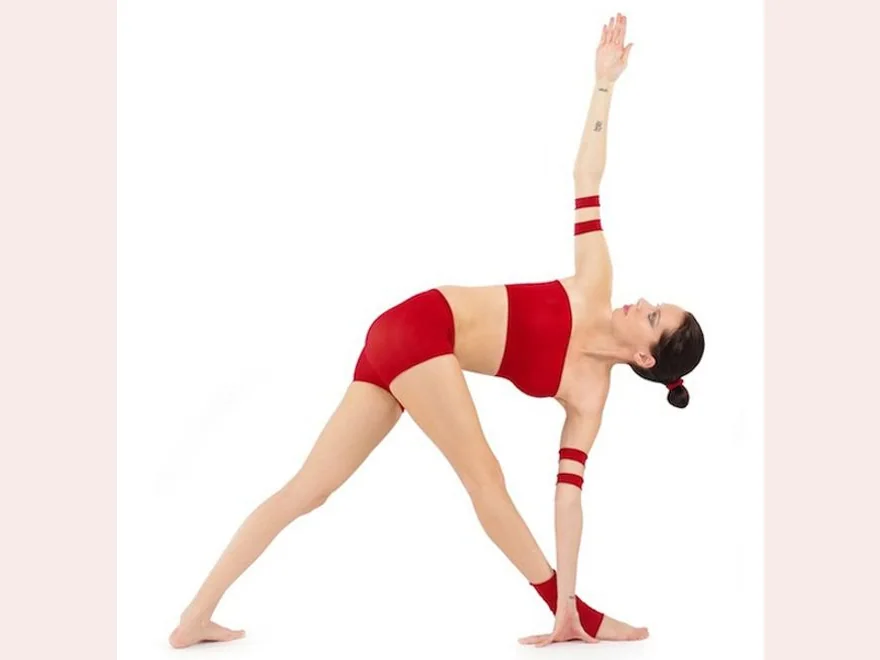
Practices that rotate the spine or ribcage while weight is through the feet.
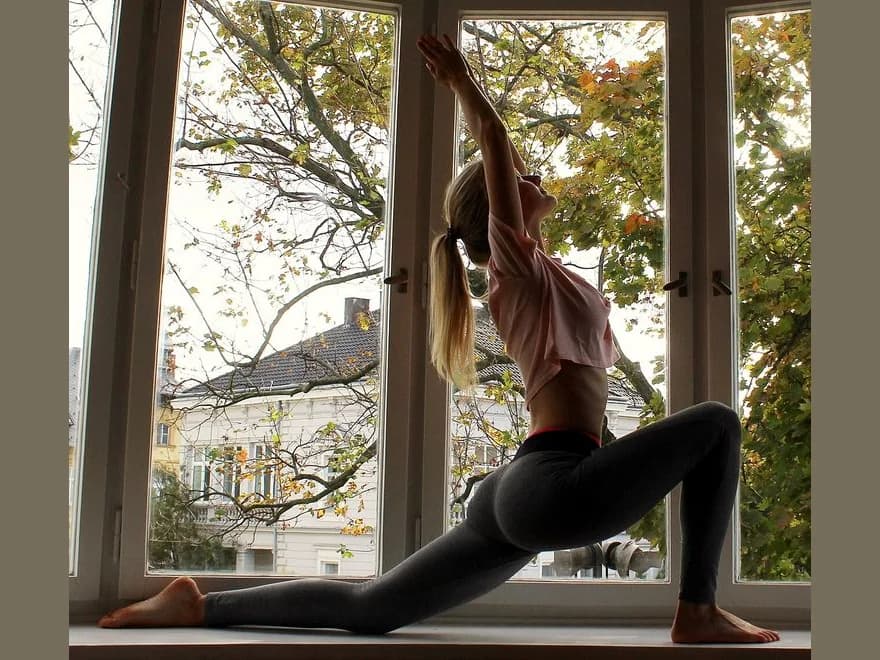
Practices with one or both legs forward and the other knee lowered, or the legs split front to back.
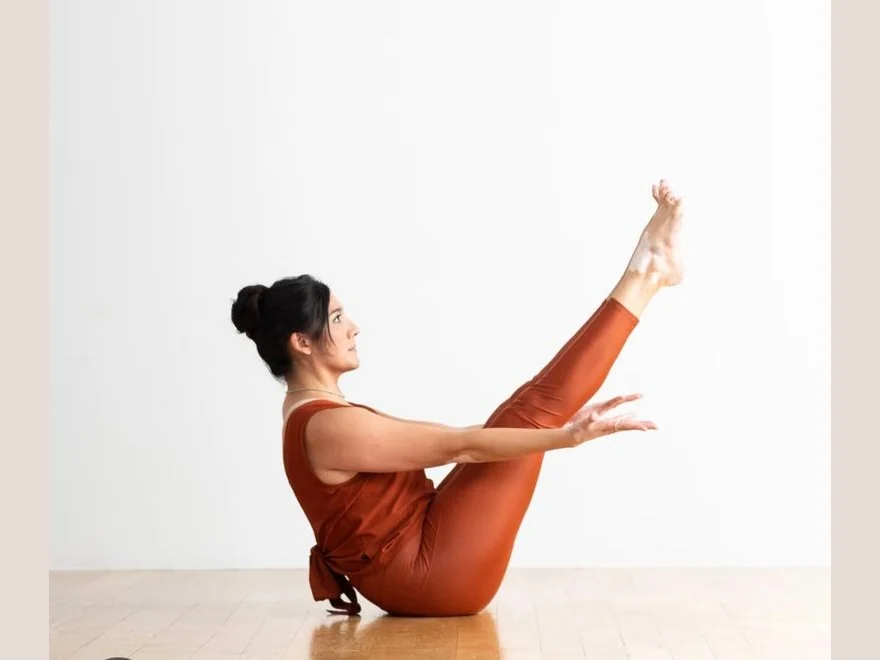
Practices that ask the trunk and pelvis to resist or control movement rather than to move through range.
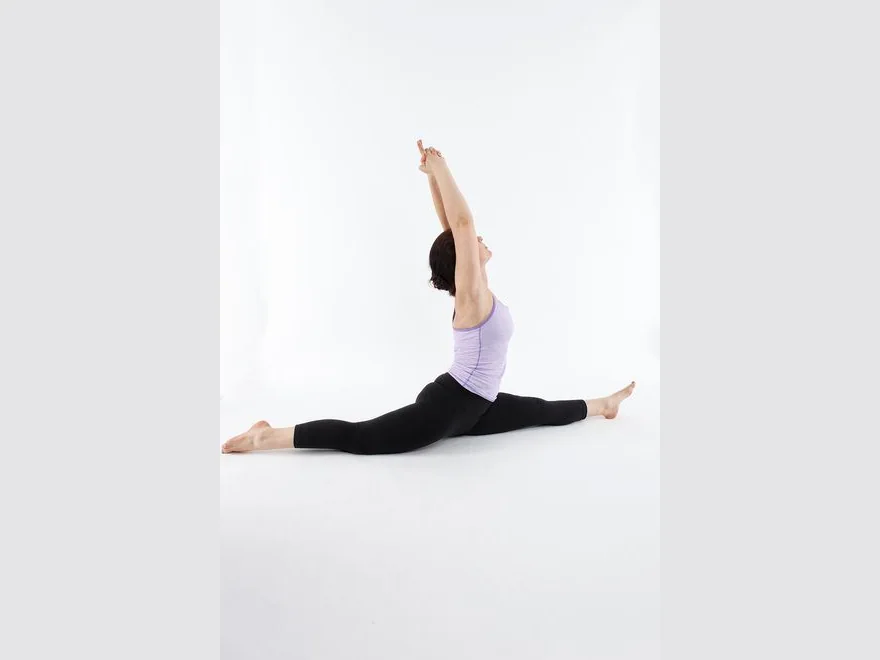
Practices that work through comfortable range of movement, without the shape or the intensity of a more specific category.
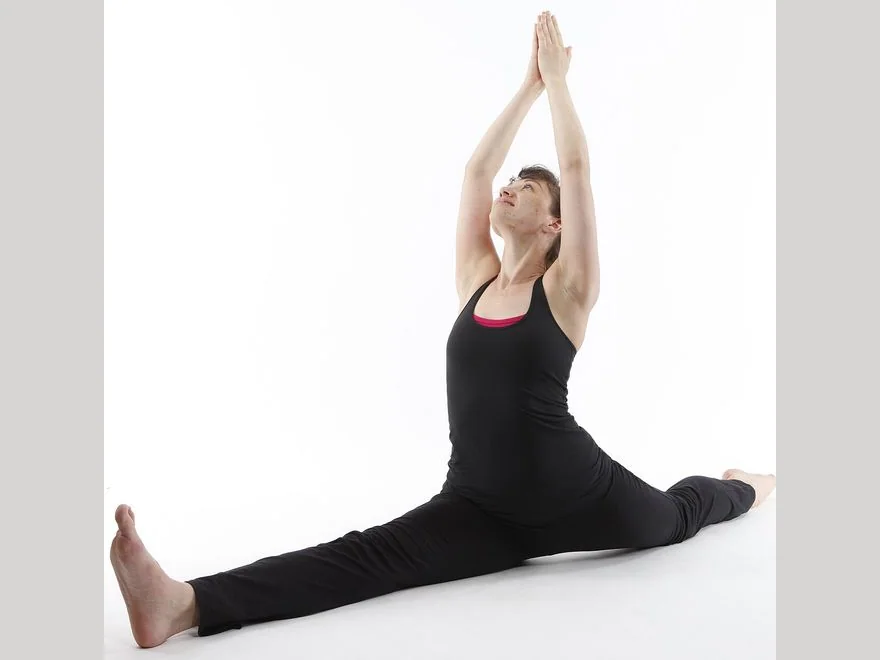
Range work that assumes an already mobile body and benefits from active rather than passive lengthening.
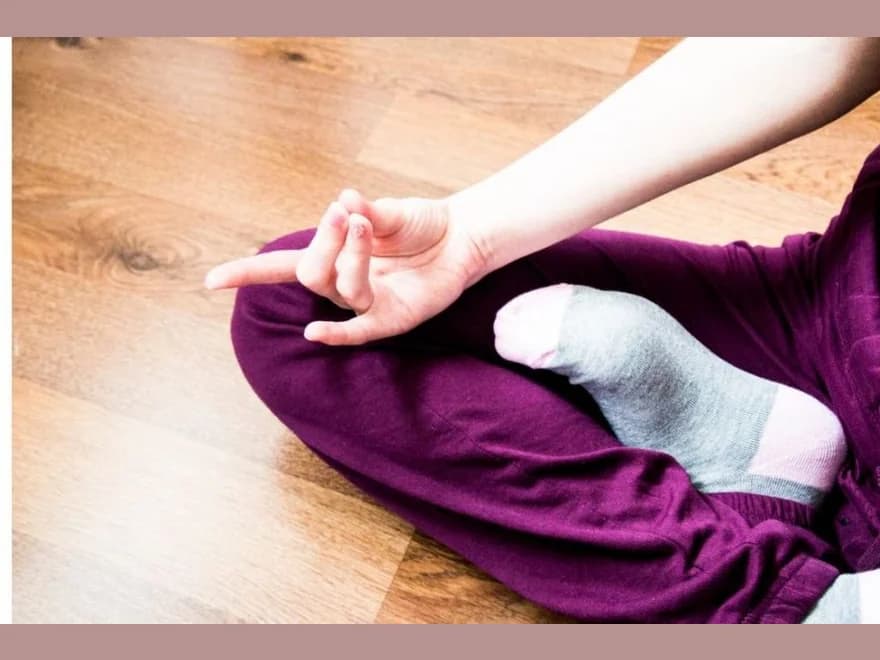
Practices built around a position of the hands, fingers or arms held in stillness.
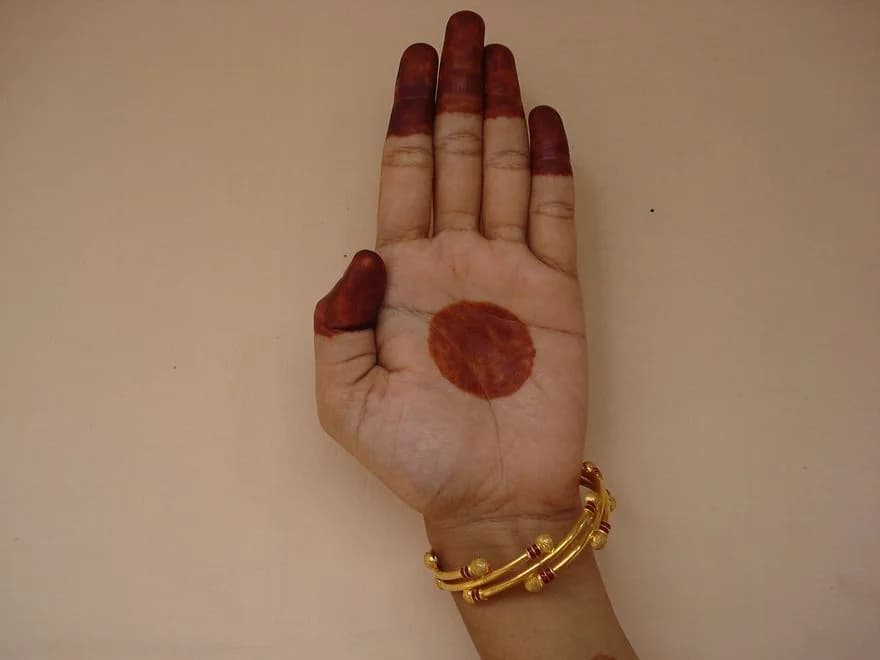
The codified hand shapes of classical dance, used here as seated gestures held with attention.